

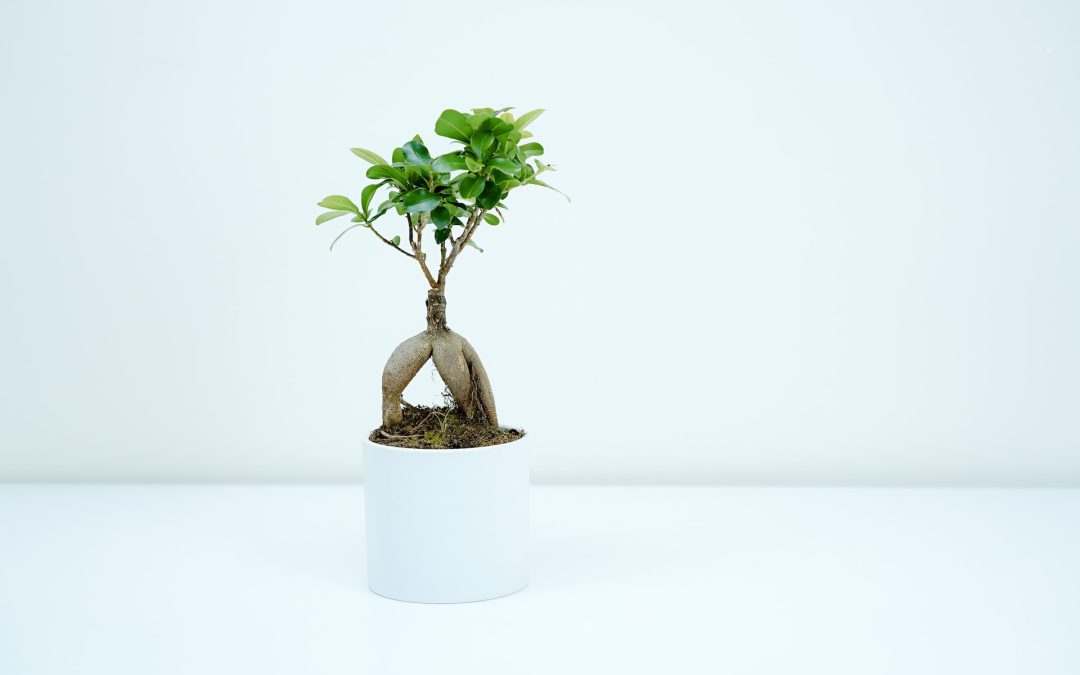
Starting a garden at home is a challenging task. Aside from requiring a green thumb, homeowners should also shell out a specific amount of money to kickstart the project. On the other hand, bonsai plants are ideal for starting a gardening journey.
However, bonsai plants are expensive to grow. They also require patience, time, and a hefty investment to support the hobby. But there are also ways to cut costs in gardening bonsai plants. But which best practices should people remember in keeping bonsai gardening cost-efficient?
1. Yamadori
The term Yamadori is a Japanese word that describes a plant that grows naturally in the wild. It is an ideal plant for bonsai because it has already been through natural selection. It has also adapted to the conditions in nature.
As such, it is a plant that can quickly adapt to the training methods of bonsai. Yamadori plants are expensive, but people also source them in nature. The plant can last for a long time, and it can also produce other plants.
2. Seedlings
The term seedling describes a plant that is grown from seed. Seedlings can be plants that have been germinated in a controlled environment or plants that have been raised in the wild. It is also possible to find seedlings that have been grown in nurseries.
If you want to grow a plant from seed, you should always choose a plant that has been germinated in a controlled environment. These plants have a higher chance of survival and will be easier to train. As a result, there are higher chances of turning them into bonsai after a while.
3. Cuttings
The term cutting describes a plant that is propagated by taking a cutting from an existing plant. People can take cuttings from a plant’s leaves, stems, or roots. People can then plant these cuttings in soil or water.
Cuttings are a great way to propagate plants. They are easy to take and can be done without damaging the parent plant. People can also take cuttings from bonsai trees. It is a great way to create new bonsai trees or increase your number of trees.
4. Nursery Stock
Nursery stock is a term used to describe plants grown in a nursery. They can be either seedlings or cuttings, grown before being passed on to buyers. Nurseries are businesses that specialise in the propagation and sale of plants.
Nursery stock is a great way to get plants that are already established. These plants are often less expensive than buying plants from a garden centre or nursery. Nursery stock can also be a great way to get plants that are rare or difficult to find.
5. Seeds
Seeds are the reproductive units of a plant, capable of giving rise to a new individual. They are typically encased in a protective outer layer, such as a seed coat. Seeds are produced by all flowering plants and some non-flowering plants, such as ferns.
Seeds are a great way to get new plants. They are often less expensive than buying plants from a garden centre or nursery. Seeds can also be a great way to get plants that are rare or difficult to find. However, they are more challenging to grow with low chances of survival.
Conclusion
Bonsai can be an expensive hobby, but there are ways to cut costs, especially during the early stages. One way to save money is to start with a cheaper tree species. Many inexpensive trees can be trained into bonsai, such as the ficus, juniper, or elm.
Another way to save money is to purchase tools and supplies second-hand. Many online forums and groups are dedicated to bonsai, where people buy, sell, and trade items. Finally, it is essential to be patient and not rush the process.
Bonsai Shop offers all-things bonsai, from bonsai accessories to materials needed in raising small, potted plants. We also provide bonsai DIY kits in Australia, making starting a bonsai garden at home more accessible. Grow the best indoor bonsai tree today and outsource all our materials today.
