

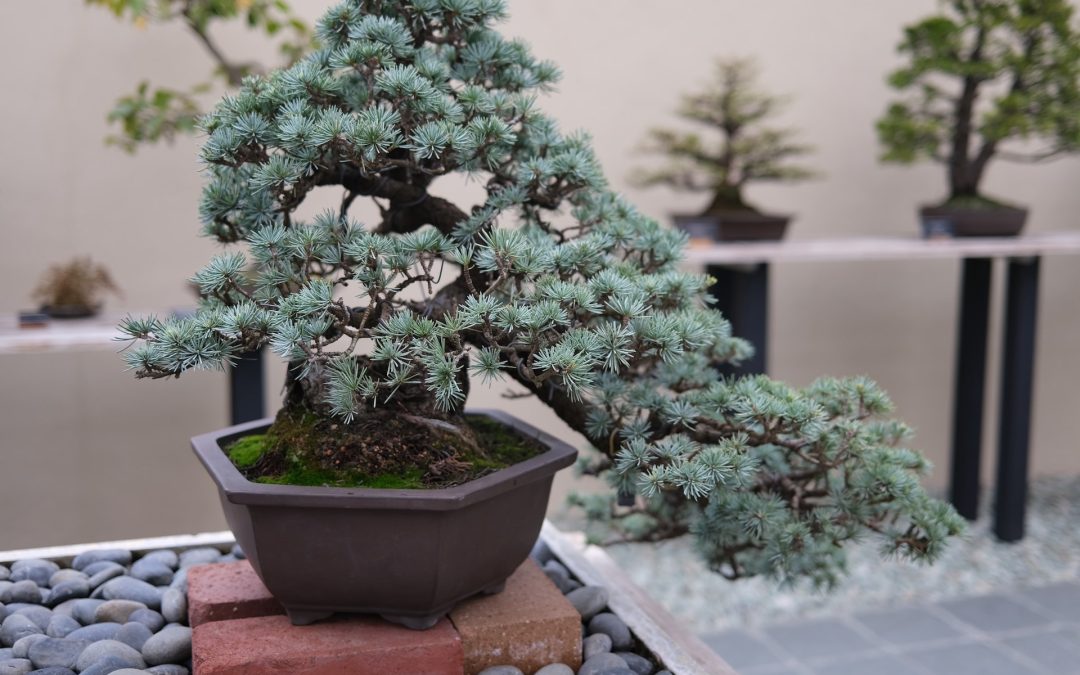
Juniper bonsai trees are popular amongst bonsai enthusiasts for their relative ease of care and wide range of shapes and sizes. However, growing a juniper bonsai tree can be difficult, and many beginners make common mistakes that can lead to the tree’s eventual death. To ensure that your juniper bonsai tree has the best chance of survival, it is important to understand these common mistakes and how to avoid them:
Using the Wrong Soil Type for Juniper Bonsai Trees
Using the wrong type of soil can have detrimental effects on your juniper bonsai tree. If the soil is too heavy or dense, it can prevent proper drainage, resulting in root rot and other diseases. Soils that are too light can also be an issue, as they can dry out quickly and lead to the tree becoming dehydrated. It’s also important to avoid soil mixes that contain a lot of fertilizer, as this can burn the roots of the tree and lead to long-term damage.
Underwatering Juniper Bonsai Trees
Many people make the mistake of underwatering their juniper bonsai tree, which can cause major problems for the tree. Understanding how to properly water your juniper bonsai tree is essential for its health and growth.
When it comes to watering a juniper bonsai tree, it’s important to make sure that the soil is always moist. Juniper bonsai trees prefer soil that is slightly acidic and well-draining. The best way to determine if your juniper bonsai tree needs watering is to check the soil with your finger. If the soil is still damp, the tree does not need to be watered. If the soil is dry, it’s time to give your tree a drink.
Not Pruning Juniper Bonsai Trees
Another common mistake when growing Juniper Bonsai Trees is not pruning them properly. Junipers need to be pruned regularly in order to maintain their shape and keep them looking their best. It is important to prune your juniper bonsai in the summer months when the branches and foliage are most active. Pruning should be done gently and with care, as it is easy to cut too much and damage the tree.
Placing Juniper Bonsai Trees in the Wrong Spot
Juniper bonsai trees, like their larger counterparts, need adequate sunlight and airflow to survive. When choosing a location for your juniper bonsai tree, make sure it is in an area with plenty of direct sunlight and good air circulation. Placing your juniper bonsai in a location that is too shady and/or too windy can lead to a variety of problems, including decreased growth, yellowing of the leaves, and even death.
If you’re planning to keep your bonsai tree outdoors, you’ll need to make sure it’s in a sheltered spot that gets plenty of indirect sunlight. Juniper bonsai trees will not do well in direct sunlight, as this can cause their foliage to dry out and become susceptible to pests and disease. If you’re keeping your bonsai indoors, you’ll need to make sure it gets enough light but not too much.
Conclusion
Growing a Juniper Bonsai Tree requires patience and dedication. It is important to remember that Junipers are delicate plants and need to be pruned, watered, and fertilized regularly. Common mistakes in growing a Juniper Bonsai Tree include over-watering, not pruning regularly, and not providing enough light. With proper care, a Juniper Bonsai Tree can grow to be an impressive and beautiful addition to any home.
Bonsai Shop is where you can buy Bonsai trees in Australia, as well as all the supplies you need to ensure they grow healthy. Check out our available Bonsai trees today!
