

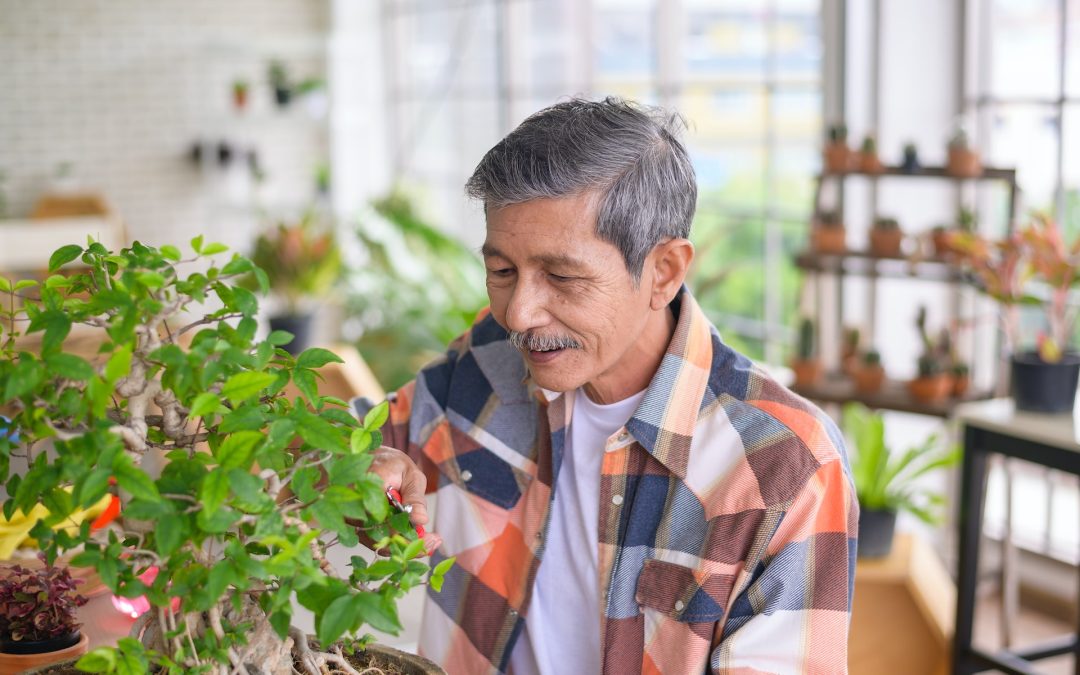
Bonsai trees are miniature works of art, and they can be a great addition to any home. They bring beauty, tranquillity, and a sense of calmness to any space. For those new to the world of bonsai, the variety of trees and styles of bonsai can be overwhelming, so it can be understandably tricky to wade through all the choices and find the right one for you. However, with a bit of research and understanding, you can find the perfect bonsai tree for you.Â
What to Consider When Choosing the Perfect Bonsai Tree
-
Size
When it comes to choosing the perfect bonsai tree, size is an important factor to consider. The size of the tree you choose should not only be based on the size of your space, but also on the species of tree you are looking for. Smaller bonsai trees are great for those with limited space, while larger bonsai trees may be better for those who have more space to work with.
-
Environment Where You’ll Grow Your Bonsai Tree
Another crucial factor worth taking into account is the environment where you will be growing your bonsai tree. Different species of bonsai trees require different climates and environments, so it is important to choose a species that is best suited to where you will be growing it. Some species of bonsai trees are better suited to colder climates, while others thrive in warmer climates.
-
Your Expertise Level
If you’re just starting out in the world of bonsai, it’s important to choose a tree that is relatively easy to care for. Many novice bonsai enthusiasts opt for a juniper, which is a popular and relatively easy tree to care for. Other options for novice bonsai enthusiasts include Chinese elm, ficus, and bougainvillea.
-
Type of Bonsai Tree
Popular types of bonsai trees include evergreen, deciduous, flowering, and fruit-bearing trees. Evergreen trees are great for beginners and are relatively easy to care for. Deciduous trees are great for experienced bonsai enthusiasts and require more care and maintenance. Flowering and fruiting trees are great for experienced bonsai enthusiasts as they require more care and maintenance.
-
Climate
Bonsai trees are generally hardy and can withstand a range of climates, but some species may require more specific conditions. Consider the climate of your home or garden when selecting a species, and make sure to provide your tree with the necessary care to keep it healthy. But if you’re planning to care for your Bonsai tree indoors, there are other elements to think about. Here, we’ll provide a comprehensive guide to help you ensure your Bonsai tree stays healthy and thrives in its new home.
- Light: Bonsai trees need plenty of light to stay healthy, so ensure your indoor tree is placed in an area that gets at least six hours of direct sunlight per day. If you don’t have access to natural sunlight, consider investing in a grow light that can provide your Bonsai tree with the light it needs.
- Water: It’s important to water your Bonsai tree regularly, but be careful not to overwater. Wait until the soil is dry before watering your tree, and then water until the soil is evenly moist. You may need to adjust your watering schedule depending on the temperature and humidity in your home.
- Humidity: Humidity is also an important factor when it comes to caring for your Bonsai tree indoors. Aim to keep the humidity level between 40 and 70%. You can use a humidifier or mist your tree occasionally to keep it at the proper humidity level.
- Temperature: When it comes to temperature, Bonsai trees generally prefer temperatures between 55 and 85°F (13 and 29°C). Be sure to keep your Bonsai tree away from any drafts or extreme temperatures.
- Fertilizer: Bonsai trees need fertilizer to stay healthy and grow. You should fertilize your tree every four to six weeks during the growing season, and use a fertilizer specifically designed for Bonsai trees.
- Pruning: Pruning is an important part of caring for your Bonsai tree, as it helps to control the shape and size of the tree. Prune your tree in the spring and summer, and be careful not to over-prune.
By following these tips, you’ll be able to provide your Bonsai tree with the care it needs to stay healthy and thrive indoors. With the right care, your Bonsai tree can be a beautiful addition to your home for years to come.
The Bottom Line: Start Your Green Thumb Journey with the Right Type of Bonsai Tree
If you’re looking to embark on a green thumb journey, bonsai trees are a great place to start! Bonsai trees are miniature trees that can be grown indoors or outdoors, and they require minimal maintenance to thrive. With the right type of bonsai tree and proper care, you can cultivate a beautiful little tree that will bring a touch of nature into your home or garden.
At Bonsai Shop, we believe that bonsai should be accessible to everyone. That’s why we offer a range of bonsai trees for sale in Australia at various price points, so you can find the perfect tree for your budget. We also offer a variety of accessories and tools, so you can keep your bonsai tree healthy and looking its best.
Whether you’re looking for a traditional Japanese bonsai, or an exotic tropical bonsai, Bonsai Shop has the perfect tree for you. Visit our store today and find the perfect bonsai tree for your home or garden!
