

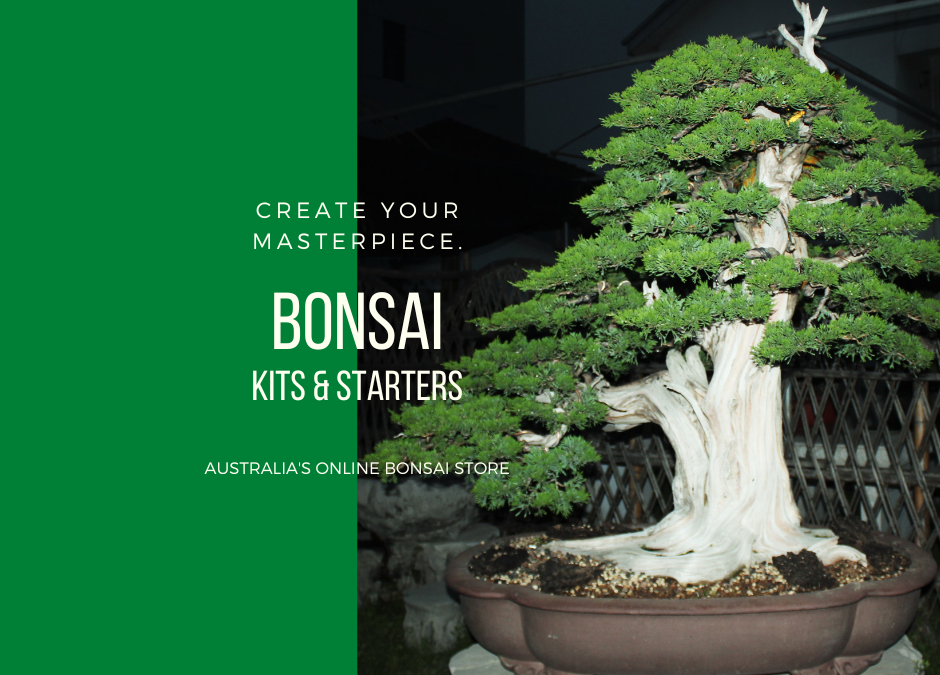
Do you have a Bonsai tree, or are you thinking of getting one? Bonsai are regular trees that have been through many processes, like pruning and root reduction, to make them small with the appearance of a mature tree.
If you’re a Bonsai owner or about to be, you’re probably wondering how much care this tree needs—like how much water it needs. Read on to find out when to water your tree and the care requirements for Bonsai .
When Should You Water Your Bonsai?
Watering your Bonsai tree can vary depending on different conditions, such as the size of your tree and pot, the type of soil and fertiliser used, and exposure to wind and sun. By closely monitoring your Bonsai tree for any signs of drying out or lack of moisture in the soil, you will be able to tell if and when your tree needs water.
A soil moisture meter can check if your Bonsai needs water. This tool will tell you if your plant is under or overwatered, with a scale from one to ten. If the meter reads a three or lower, it’s time to give your Bonsai a drink.
You can tell if your Bonsai needs watering by sticking your finger about an inch into the soil around it. If the soil is dry, it’s time to water. Keep in mind that different species of Bonsai have different moisture requirements, so make sure you know what kind of species you have before you start watering.
How Much Water Does a Bonsai Tree Need?
When you notice the soil around your Bonsai is dry, it’s time to water. How much water your tree needs depends on the tree itself. A good rule of thumb is to water enough to saturate the entire root system.
There are two main ways to water your Bonsai: overhead and immersion. Overhead watering is what you typically think of when you water a plant. You will shower your Bonsai using a hose or watering can until water comes from the drainage holes. Immersion watering is when you soak your Bonsai in a container of water.
The immersion method of watering your Bonsai is the quickest way to soak the roots of your tree. This is an ideal way to care for indoor Bonsai trees or ones that have become dried out. Keep in mind that immersing your tree too often can start to damage the roots.
What Happens When You Overwater a Bonsai?
You can overwater a Bonsai, which is just as dangerous as allowing the tree to dry out. Always check the soil’s moisture level before watering, ensuring it’s moist but not wet. The period between watering is essential for allowing oxygen to reach the roots and promoting growth. If the soil is constantly soaked, this process cannot happen.
If you notice that your Bonsai’s trunk is unstable, the branches are getting weak or smaller, the leaves are changing colour or the leaves are dropping, it may be a sign that you have been overwatering your tree. Overwatering can cause root rot, which can be damaging to your Bonsai.
If you have overwatered your Bonsai tree, you can take steps to help it recover. After rinsing the roots, replant your tree in a new pot. Water it sparingly and make sure it gets plenty of sunlight.
Conclusion
Watering your Bonsai properly will ensure your tree’s health and keep your tree happy. While Bonsai require frequent watering, you should avoid over-watering your tree.
Bonsai Shop sells bonsai starter kits, pots, tools and accessories for people who want to grow their own bonsai trees. We are specialists in bonsai, proud to deliver Australian supply for the entire country for more than ten years. Our goal is to provide customers with well-priced quality bonsai products as they cultivate their own hobby of growing bonsai, with the added advantage of buying from the comfort of their homes! You can browse our best bonsai trees for sale in Australia.
