

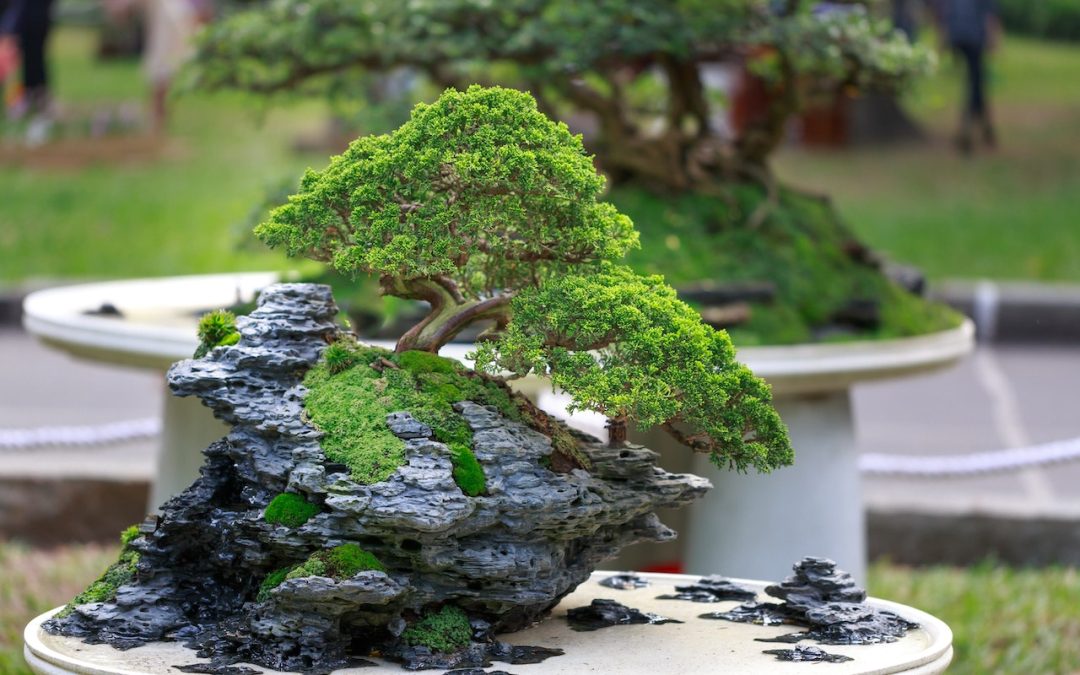
Bonsai trees have been a beloved art form in Japan for centuries. These miniature trees are a testament to the patience and dedication of their growers, who carefully sculpt them into unique and beautiful shapes.
One of the most important techniques used in bonsai cultivation is pruning. This process requires a delicate touch and a keen eye for detail, but it is crucial for maintaining the health and beauty of your bonsai tree:
Why Pruning Bonsai Trees is Important
Pruning is the process of removing unwanted or dead branches from a tree. In the case of bonsai trees, pruning is done to control the shape and size of the tree, as well as to encourage healthy growth. Bonsai trees are grown in small containers, so they need more frequent pruning than their larger counterparts in the wild. By pruning regularly, you can prevent your bonsai tree from becoming overgrown and unwieldy.
When to Prune Bonsai Trees
The best time to prune your bonsai tree depends on the species and the time of year. Generally, it is best to prune your bonsai tree during the dormant season, usually late winter or early spring. During this time, the tree is not actively growing, making it easier to see its structure and make precise cuts. However, some species of bonsai trees, such as the Japanese maple, are prone to bleeding if pruned in the spring. In these cases, it is best to prune in the summer or fall.
How to Prune Bonsai Trees
Pruning a bonsai tree requires a steady hand and sharp scissors or shears. Before you begin, take a step back and examine the tree. Look for any branches that are crossing or rubbing against each other, as well as any dead or diseased branches. These should be removed at once, as they can cause damage or disease to the rest of the tree.
Next, look at the tree’s shape and decide which branches to remove. Bonsai trees are typically pruned in a triangular or pyramidal shape, with the top of the tree narrower than the bottom. To achieve this shape, you must remove branches from the top and sides of the tree. Always make cuts at a slight angle, which will help the wound heal more quickly.
When pruning your bonsai tree, it is essential not to remove too much at once. This can stress the tree and slow down its growth. Instead, aim to remove no more than 25% of the tree’s foliage at a time. If you are unsure about how much to remove, it is better to err on the side of caution and remove less rather than more.
Maintenance Pruning
In addition to regular pruning, bonsai trees also require maintenance pruning. This involves trimming new growth to maintain the tree’s shape and size. Maintenance pruning should be done throughout the growing season, but be careful not to remove too much at once. Always leave a few leaves on the branch, which is essential for photosynthesis and the tree’s overall health.
Tools for Pruning Bonsai Trees
To prune your bonsai tree properly, you will need a few essential tools. These include a pair of bonsai scissors or shears, a concave cutter for removing larger branches, and a knob cutter for removing stubs. It is important to keep these tools clean and sharp, as dull or dirty tools can be damaging the tree and slow down its growth.
Conclusion
Pruning is an important part of bonsai cultivation. It allows you to shape and control your tree while promoting healthy growth. With patience and constant practice, you can master the art of pruning and create a beautiful miniature garden in your own home. Remember to prune regularly, but not too much at once, and always use clean and sharp tools. With these tips in mind, your bonsai tree will thrive for years.
Bonsai Shop offers a variety of products, such as bonsai starter kits, pots, tools, and accessories, for individuals interested in cultivating their own bonsai trees. Check out our selection of bonsai-related products today!
