

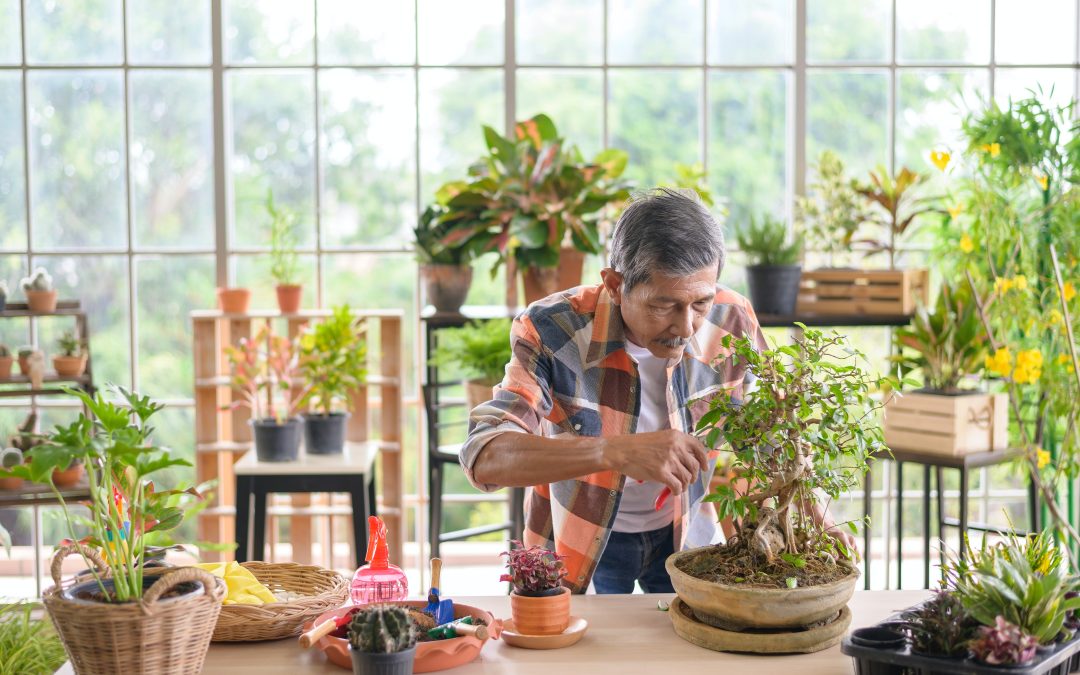
Imagine designing an enchanting sanctuary within the walls of your home, a soothing green haven that exudes tranquillity and serenity. Indoor bonsai trees offer just this, weaving nature with living art to create an ideal escape from the daily hustle and bustle. With a wide variety of species suited to the indoor environment, bonsai can thrive amidst your living space, providing an accessible and captivating pastime for green-thumbed enthusiasts.
Embark on a delightful journey into the world of indoor bonsai tree cultivation with the help of our beginner’s guide. Discover the fundamentals of selecting and caring for the perfect indoor bonsai tree to suit your preferences and environment. Uncover essential knowledge on watering, fertilising, pruning, and more. Decorate your home with these magnificent living sculptures, blending quality care and coveted techniques to ensure their success.
Whether you are a novice or seasoned bonsai gardener, indoor bonsai trees present an excellent opportunity to indulge in your passion for cultivating these living wonders. Sow the seeds of an enduring love for indoor bonsai, and relish the flourishing results of your dedication and patience.
1. Selecting the Ideal Indoor Bonsai Tree Species
Choosing an indoor bonsai tree species is of utmost importance, as your selection will influence the long-term success and enjoyment of your green retreat.
Deciduous Trees
Many indoor bonsai enthusiasts prefer deciduous species such as the Chinese Elm and Dwarf Chinese Elm due to their resilience and accessibility for beginners. These species display splendid foliage variations through the seasons, adding visual interest and appeal.
Tropical and Subtropical Species
Tropical and subtropical trees can thrive in home environments. Species such as the Ficus, Jade Plant, and Hawaiian Umbrella Tree are popular choices, adored for their robust nature, striking aesthetics, and compatibility with various indoor conditions.
2. Indoor Bonsai Tree Care: Watering, Lighting, and Temperature
Providing appropriate care for your indoor bonsai tree is paramount to its long-lasting health and attractiveness.
Watering Requirements
Watering is a vital aspect of indoor bonsai care. Monitor soil moisture levels and water when it begins to feel dry. Adjust your watering routine based on your chosen species, environmental factors, and seasonal variations to prevent excessive or insufficient hydration.
Lighting and Temperature
Indoor bonsai trees require ample light to photosynthesise effectively, ensuring healthy growth. Place your indoor bonsai tree in a bright location, away from harsh sunlight or drafts. Supplement with artificial light when necessary. Maintain a consistent temperature with minimal fluctuations to promote a stable environment for your beloved bonsai.
3. Fertilising, Pruning, and Training Techniques for Your Indoor Bonsai
A flourishing indoor bonsai tree relies upon appropriate fertilising, pruning, and training practices.
Fertilising Your Indoor Bonsai
Replenish essential nutrients by using a slow-release, balanced fertiliser, or consider a [bonsai-specific fertiliser](https://bonsaishop.com.au/shop/category/bonsai-fertiliser/) from Bonsai Shop. Follow a regular fertilising schedule and adhere to the recommendations for your chosen species to maintain its vitality and growth.
Pruning Techniques
Implement thoughtful pruning techniques to shape your indoor bonsai tree and maintain a tidy appearance. Use the appropriate [bonsai pruning tools](https://bonsaishop.com.au/shop/category/bonsai-tools/) to remove unnecessary foliage, clip dead leaves or branches, and cultivate compact branch structures.
Training Techniques
Introducing training techniques such as wiring will transform your indoor bonsai into an enchanting living artwork. Employ [bonsai wire](https://bonsaishop.com.au/shop/category/bonsai-wire/) to guide and bend your tree’s branches, fashioning imaginative shapes and designs as your bonsai matures.
4. Overcoming Common Challenges Faced with Indoor Bonsai Trees
Successfully navigate indoor bonsai tree cultivation by preempting common challenges and acting decisively to overcome them.
Disease and Pest Prevention
Maintain a watchful eye on your bonsai, identifying early signs of pests or diseases. If discovered, treat promptly using natural insecticidal soap or compatible chemicals. Employ preventive measures such as regular pruning, providing adequate airflow, and ensuring appropriate care for your bonsai to reduce the risk of infestations.
Maintaining Humidity Levels
Indoor environments often suffer from low humidity, which can negatively impact the health of your bonsai tree. To combat this, mist your tree’s foliage, place it on a humidity tray, or consider using a humidifier to maintain optimal humidity levels.
Conflicting Environmental Requirements
Some bonsai species may require cooler temperatures or dormancy periods during winter, posing a challenge for year-round indoor cultivation. Identify whether your chosen species necessitate these specific conditions and make appropriate adjustments, such as moving your bonsai tree to a cooler location or outdoor area during winter months.
Create and Cherish Your Indoor Bonsai Paradise
Nurture your indoor bonsai oasis with attentive care, quality tools, and a dedicated spirit, reaping the therapeutic rewards of your verdant sanctuary.
Conclusion
Indoor bonsai trees present a rewarding opportunity to create a serene, green retreat within your living space. Through careful species selection, attentive care, and exceptional bonsai tools from Bonsai Shop, you can nurture and cherish your indoor bonsai paradise.
Begin your indoor bonsai tree cultivation journey with assertive confidence, knowing that your passion and dedication will yield outstanding results. Experience the joys and tranquillity that await you in the fascinating world of indoor bonsai tree care, creating a captivating haven of nature’s artistry within the heart of your home.
