

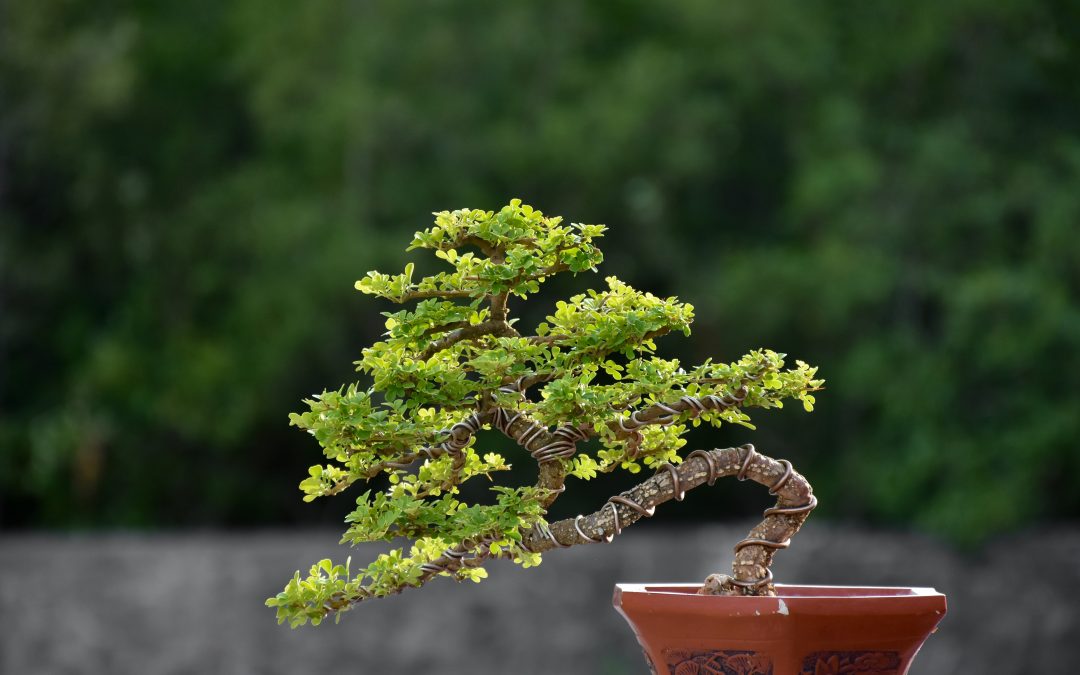
The timeless appeal of a captivating bonsai tree lies in the hands of its creator. Bonsai artists carefully shape and mould their living masterpieces through skilled techniques, including the intricate art of wiring. Wiring is a fundamental practice in bonsai, enabling diverse styles and forms to emerge from a humble tree. By familiarising yourself with wiring techniques, you can unlock your tree’s potential to create a visual narrative that resonates with your creative instincts and showcases the essence of this ancient horticultural art form.
Our comprehensive guide to wiring bonsai trees will provide insights, tips, and expert advice for optimising this transformative skill. Delve into the history, methods, and materials involved in wiring, as well as the essential tools required for success. With an informed approach, you can confidently take charge of your cherished bonsai collection, skillfully shaping each tree to reflect your vision.
Explore our wiring guide focusing on high-quality products from Bonsai Shop, offering the support and guidance needed to achieve stunning results. Whether you are a novice seeking foundational knowledge or an experienced practitioner ready to refine your expertise, uncover the secrets to sculpting breathtaking bonsai trees with precision and artistry.Â
1. History and Purpose of Bonsai Wiring
Bonsai wiring is a time-honoured technique derived from traditional Japanese bonsai cultivation, dating back centuries. This delicate craft involves wrapping wire around a bonsai tree’s branches and trunk to manipulate their position, forming a desired shape and style. By mastering the art of wiring, a bonsai artist can recreate the effects of natural forces, such as wind and gravity, to achieve an authentic and aesthetically pleasing composition.
Striking the perfect balance between precision, patience, and creativity, this fascinating practice is integral to bonsai tree maintenance. It facilitates the development of a balanced, harmonious structure, paving the way for a stunning tree with character and visual impact.
2. Bonsai Wiring Techniques: A Guide on Wire Types, Tools, and Methods
Understanding the appropriate techniques, materials, and tools for bonsai wiring is crucial for successfully manipulating your tree’s shape. This section will detail the essentials required to accurately execute your desired design.
Types of Bonsai Wire: Anodised Aluminium and Annealed Copper
There are two primary wire types used in bonsai wiring: anodised aluminium and annealed copper. While both materials are effective, they offer different qualities that may suit different tree species.
Anodised aluminium wire is popular amongst beginners due to its malleability, availability, and affordability. This wire is available in a range of sizes, allowing you to wire a variety of bonsai tree species. Bonsai Shop offers a selection of aluminium bonsai wire tailored to your specific needs.
Annealed copper wire is a more traditional option, known for its stiffness and holding power. It is primarily recommended for use on robust trees with thick branches, where extra strength is needed to maintain shape. This wire type can be more challenging for beginners but provides a firmer hold once mastered.
Essential Bonsai Wiring Tools
Investing in quality wiring tools ensures efficient and safe wiring practice. Essential items include bonsai wire cutters and pliers, each designed specifically for bonsai work, minimising damage to your tree and enabling precise manoeuvres.
Wiring Method
Begin by selecting the appropriate wire for the specific branch or trunk. Wrap the wire evenly around the branch, angling it at roughly 45 degrees, taking care not to overlap. Apply gentle pressure to maintain the wire’s position while shaping the branch into your desired form. Finish by removing excess wire with your bonsai wire cutters, ensuring a clean, polished appearance.
3. Expert Tips and Techniques for Success
Achieving excellence in bonsai wiring is an ongoing process, requiring patience, practice, and a willingness to learn. Here are some expert tips to maximise your wiring success:
– Always begin wiring at the trunk and work towards the branch tips.
– Utilise the appropriate wire gauge for the branch being worked on, with thicker wire for thicker branches and vice versa.
– Make use of the ‘two-branch principle’, where two branches of similar thickness are wired together for added stability.
– Monitor your bonsai tree regularly to avoid wire cutting into the bark, resulting in permanent damage.
– When removing wire, use a pair of bonsai wire cutters to avoid damage to your tree.
4. Caring for Your Wired Bonsai: Post-Wiring Maintenance and Precautions
Following the wiring process, it is essential to care for your bonsai tree to ensure a successful transformation. Keep the following factors in mind to maintain your tree’s health and encourage the desired shape to form:
Recovery Time
Give your wired bonsai time to recover in a partially shaded area, avoiding direct sunlight or harsh winds until the branches have established their new positions.
Watering and Fertilising
Ensure proper watering and fertilising schedules are maintained, supporting your tree’s recovery and growth during the shaping process.
Wire Removal
Monitor your bonsai tree regularly for signs of growth, removing the wire before it begins to cut into the bark. When removing the wire, use a pair of bonsai wire cutters to safeguard the tree.
Shaping Bonsai Masterpieces through Wire Artistry
By embracing the art of bonsai wiring, you unlock the potential to create wondrous living sculptures dictated by your own creative expression. Through diligent study, practice, patience, and the use of quality products offered by Bonsai Shop, you can hone your skills to shape magnificent bonsai trees that captivate all who encounter them.Â
Whether you are a novice seeking foundational techniques or an experienced bonsai artist refining your expertise, the world of bonsai wiring awaits your exploration.Â
