

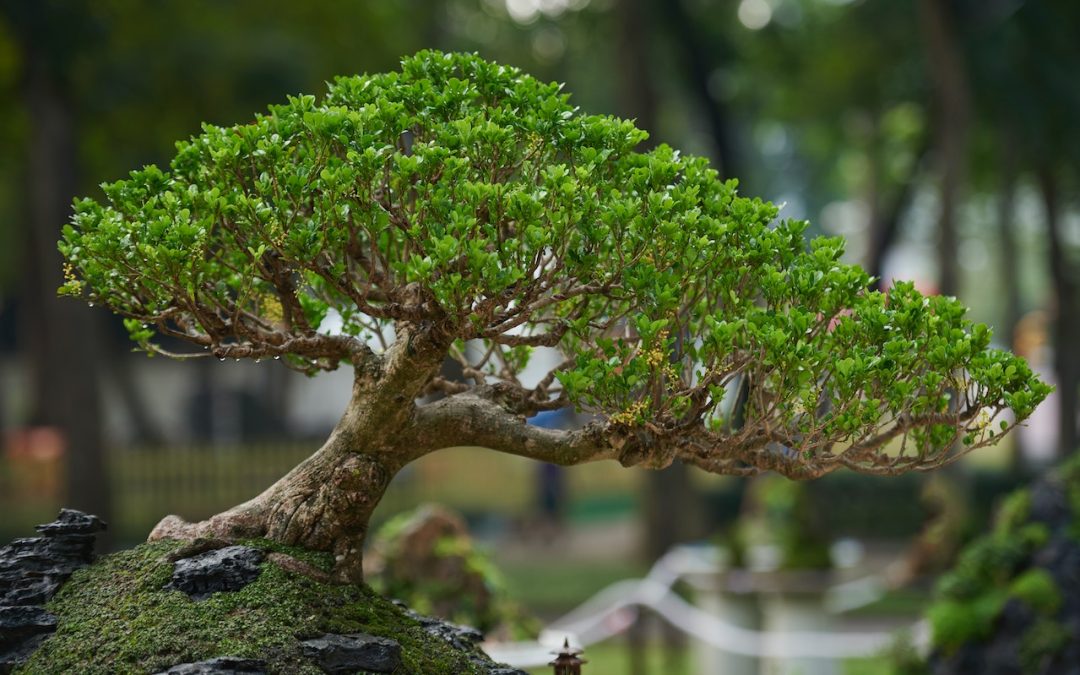
A bonsai tree’s longevity is determined by its species, care, location, and other variables. Meanwhile, several factors will influence the longevity of your bonsai tree. The most significant factors are the species of your tree, the age of the mother tree, maintenance, and habitat.
You might be here because you’re curious about how long a bonsai lives. Depending on several conditions, your tree could survive for more than a century.Â
Read on to learn and understand the life cycle of a bonsai tree today.
The 3 Influencing Factors of a Bonsai’s Lifespan
1. The Bonsai Species
Some bonsai can live for millennia if properly cared for. Meanwhile, others reach a fifty-year lifetime. Additionally, trees that are younger have a longer lifespan, while there may not be many years remaining for older trees.
2. The Mother Tree’s Life Expectancy
If the mother tree was healthy and long-lived, her offspring are likely to be as well. Lineage should not be an issue if you only buy bonsai plants from trustworthy producers.
3. The Care Routine and Maintenance
It is widely known that beautiful bonsai trees can be difficult to care for. With careful maintenance, you may extend your bonsai tree’s aesthetic appeal while also ensuring its longevity.
Extending a Bonsai’s Lifespan: A Basic Guide
Providing appropriate growing conditions for your tree may increase its longevity. Pruning, soil preparation, and watering are all included. Moreover, temperature, sunlight, fertiliser, and insect control are also critical.
Here are some basic pointers on how to extend a bonsai’s lifespan.
1. Prune When Necessary
Pruning your bonsai tree may help it live longer. You can keep your bonsai tree healthy by eliminating dead or dying branches. Pruning can promote new development while also preserving the health and vitality of your bonsai.
2. Keep the Soil Healthy
Using the right soil might help your bonsai stay healthy. However, not all bonsai soils are created equal. Some soils are too thick for roots to breathe, while others are too light for moisture retention. Finding a happy medium between these two extremes is critical.Â
Regardless of soil type, it is critical to select well-draining soil. Watering bonsai plants on a regular basis is vital, but damp soil will destroy their roots. Before adding soil, fill the container with gravel or sand.
3. Adhere to Strict Watering Guidelines
Bonsai plants are delicate and must be watered carefully. Avoid overwatering, as it is the leading cause of bonsai tree mortality.
Water a bonsai tree with a large-spout watering can. This gives you control over the tree’s irrigation. Morning watering allows the leaves to dry by nightfall.
Examine the soil of your bonsai before watering it. Water the tree if the soil is dry. Do not water the tree if the soil is saturated.
Consider the humidity of the room when watering a bonsai. If the soil is dry, water the tree more frequently. Water the tree less if the weather is humid.
4. Mind the Temperature and Sunlight Levels
Bonsai trees require temperatures ranging from 60 to 80 degrees Fahrenheit. If you live in a chilly climate, bring your bonsai inside during the winter.Â
5. Fertilise As Needed
Bonsai trees can live for millennia if properly cared for. They will live longer if they are fertilised frequently.
Nutrients lost during growth are replenished by fertilising bonsai trees. For growth, you may find that it is critical to fertilise bonsai plants using specialised fertilisers.Â
6. Keep Pests and Diseases at Bay
Aphids, scale insects, mites, and whiteflies are common bonsai pests. Pests are responsible for leaf loss, sluggish development, and malformed leaves. In order to keep pests at bay, inspect your tree on a regular basis for symptoms of infestation and apply an insecticide or miticide.
Root rot, powdery mildew, and leaf spot cause yellowing, wilting, and leaf drop. Water and fertilise your tree to avoid disease. Infected trees may necessitate the use of fungicides and bactericides.
Conclusion
Whether indoor or outdoor, bonsai trees are delicate and must be handled with care. Indeed, with proper care, bonsai trees can live for decades or even centuries. Now that you know how to care for your bonsai, you can allow it to live a long and healthy life!
Are you looking for a bonsai kit online? Bonsai Shop is Australia’s leading source for all things bonsai planting. Shop our products today!
