

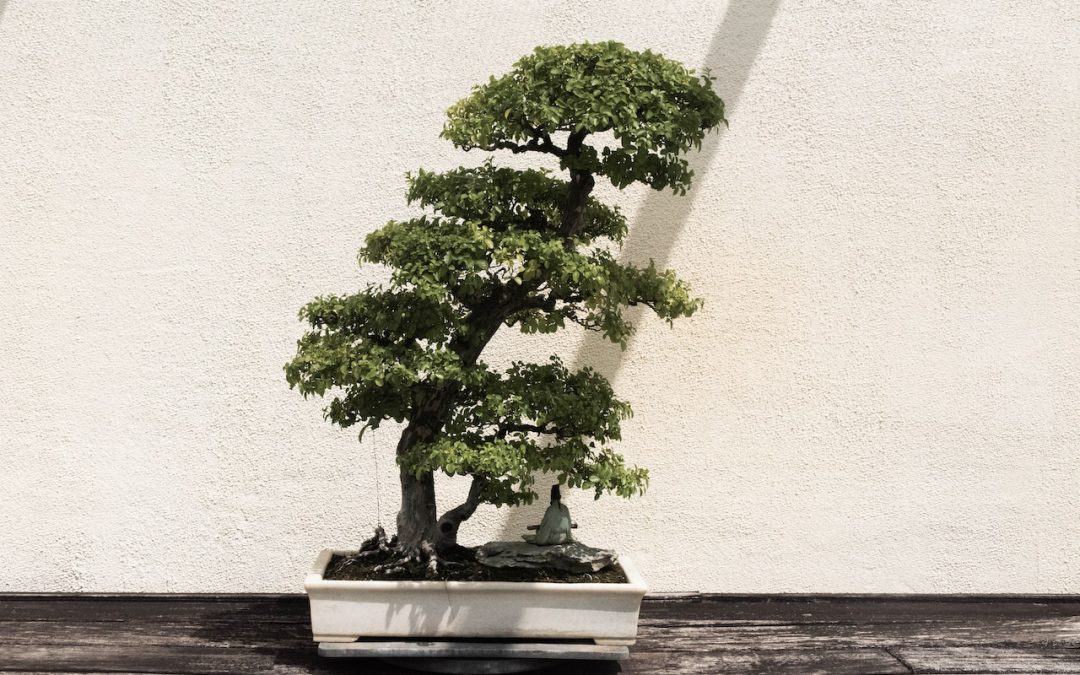
Bonsai are beautiful and intricate works of living art. Though they are small, they require a lot of care and attention. One important aspect of bonsai care is fertilising. But how often should you fertilise your bonsai? We’ll answer that question today and more:
How Often Should I Fertilise My Bonsai Trees?
The frequency of fertilisation depends on a few factors, such as the type of bonsai, the age of the bonsai, the time of year, and the health of the bonsai. Generally speaking, young bonsai should be fertilised more often than mature bonsai. Bonsai that are actively growing (in the spring and summer) should be fertilised more often than bonsai that are dormant (in the fall and winter). For example, a tropical bonsai can be fertilised on a weekly basis between spring and autumn. In addition, a healthy bonsai should be fertilised more often than bonsai that are not in good health.
With all of that said, a good rule of thumb is to fertilise your bonsai once a month during the growing season and every other month during the dormant season. If your bonsai is young or not in good health, you may need to fertilise it more often. If your bonsai is old or in very good health, you may be able to get away with fertilising less often.
What Types of Fertiliser Should I Be Using?
There are many different types of fertiliser, but they can generally be divided into two categories: organic and inorganic. Organic fertilisers are made from natural sources, such as manure, compost, and bone meal. Inorganic fertilisers are made from synthetic sources, such as urea, ammonium nitrate, and potassium sulfate.
Which type of fertiliser you use is up to you. Some people prefer organic fertilisers because they are natural and considered to be more gentle on the bonsai. Others prefer inorganic fertilisers because they are more concentrated and therefore require less frequent applications.
Apart from this, there are still also two more types of fertiliser: liquid and solid. This, once again, is a matter of preference. For something that absorbs quickly, liquid fertiliser will work well. This will allow the bonsai to get the quick boost it needs to grow fast, and it also offers better coverage. For something that will break down a little slower, then solid fertiliser is the way to go. This is a good option if you just want something to slowly seep into the soil and do not want to overdo it with the fertiliser in one go.
That being said, no matter which type of fertiliser you use, be sure to follow the instructions on the package. Applying too much fertiliser can be just as harmful as not applying enough.
Conclusion
Fertilising your bonsai is an important part of proper care. By following the guidelines above, you can be sure that you are fertilising your bonsai as often as it needs to stay healthy and beautiful. And, remember, each bonsai isn’t exactly the same as the other. It’ll be up to you to check on the bonsai’s health to see whether they’re getting enough fertiliser or not. From there, tweak to their needs to ensure all your bonsais are growing healthily and beautifully!
Bonsai Shop sells a variety of bonsai-related items, from starter kits to pots and so much more. If you are looking to purchase bonsai kits and more, check out what we offer!
