

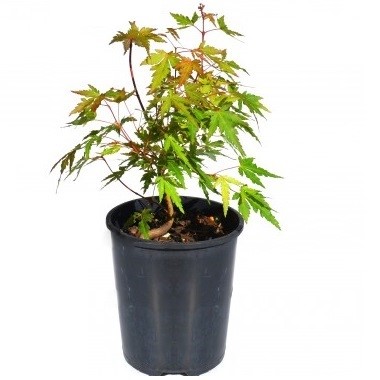
Bonsai is a centuries-old art form in which trees are grown in small containers to mimic the shape and scale of full-sized trees. Bonsai growers use special cultivation techniques to achieve this miniature effect.
In this post, your trusted source of Bonsai in Australia is sharing with you some tips on how you can care for Japanese Maple Bonsai:
What Is Japanese Maple Bonsai?
Japanese maple bonsai (Acer palmatum) is a variety of the Acer palmatum species of the maple tree native to Japan. Simply put, Bonsai is the art of growing miniature trees in containers. Japanese maple bonsai are popular because of their small size, beautiful leaves, and graceful form.
The Acer palmatum species has many varieties, each with its unique leaf shape. The most common variety used for Bonsai is the Acer palmatum var. dissectum, which has deeply lobed leaves.
Japanese maple bonsai can be trained into various shapes, including upright, slanting, cascade, and semi-cascade. The most popular style is the upright, or “chokkan,” style.
How to Grow and Care for the Japanese Maple Bonsai?
Japanese maple bonsai are beautiful, delicate trees that make a stunning addition to any home or garden. Though they can be tricky to grow and care for, the effort is well worth it when you see the results. With patience and care, you can have a healthy, thriving Japanese maple bonsai that will bring you years of enjoyment.
Here are five tips on how to grow and care for your Japanese maple bonsai:
- Choose the correct location. Japanese maple bonsai need full sun to partial shade. They also prefer slightly acidic soil, so if your soil is alkaline, you may need to amend it.
- Water regularly. Japanese maple bonsai must be watered regularly, especially during the hot summer. They thrive more in moist but not soggy soil, so check the soil before watering.
- Fertilize monthly. Japanese maple bonsai need to be fertilized monthly during the growing season. Use a fertilizer specifically designed for bonsai trees.
- Prune regularly. Japanese maple bonsai need to be pruned regularly to maintain their shape. Pruning also encourages new growth, which is necessary for the tree to stay healthy.
- Protect from frost. Japanese maple bonsai is sensitive to frost and cold weather. If you live in an area with cold winters, you’ll need to bring your tree indoors or provide it with some other form of protection.
With a bit of care and attention, you can grow a beautiful Japanese maple bonsai that will lend a touch of elegance to your home or garden.
How to Protect Japanese Maple Bonsai From Pests and Diseases
Japanese maples are beautiful trees that make lovely bonsais. They are, however, susceptible to several pests and diseases. Here are some tips on how to protect your Japanese maple bonsai from pests and diseases:
- Inspect your tree regularly for signs of pests or disease. Look for holes in the leaves, discolored leaves, or other unusual symptoms.
- If you find any pests or diseases, treat them immediately. There are many products available specifically for Japanese maples.
- Prune your tree regularly to remove any dead or diseased branches. This will also help to keep your tree healthy.
Conclusion
As you can see, caring for your Japanese Maple Bonsai is not that difficult. With patience and effort, you can keep your Bonsai healthy and beautiful for many years. So, if you’re ready to grow a Japanese Maple Bonsai, check out the Bonsai plants for sale we have at Bonsai Shop.Â
Bonsai Shop is where you can find Bonsai plants for sale in Australia. We also have pots and other accessories you might need. Check out our available Bonsai plants today!
